
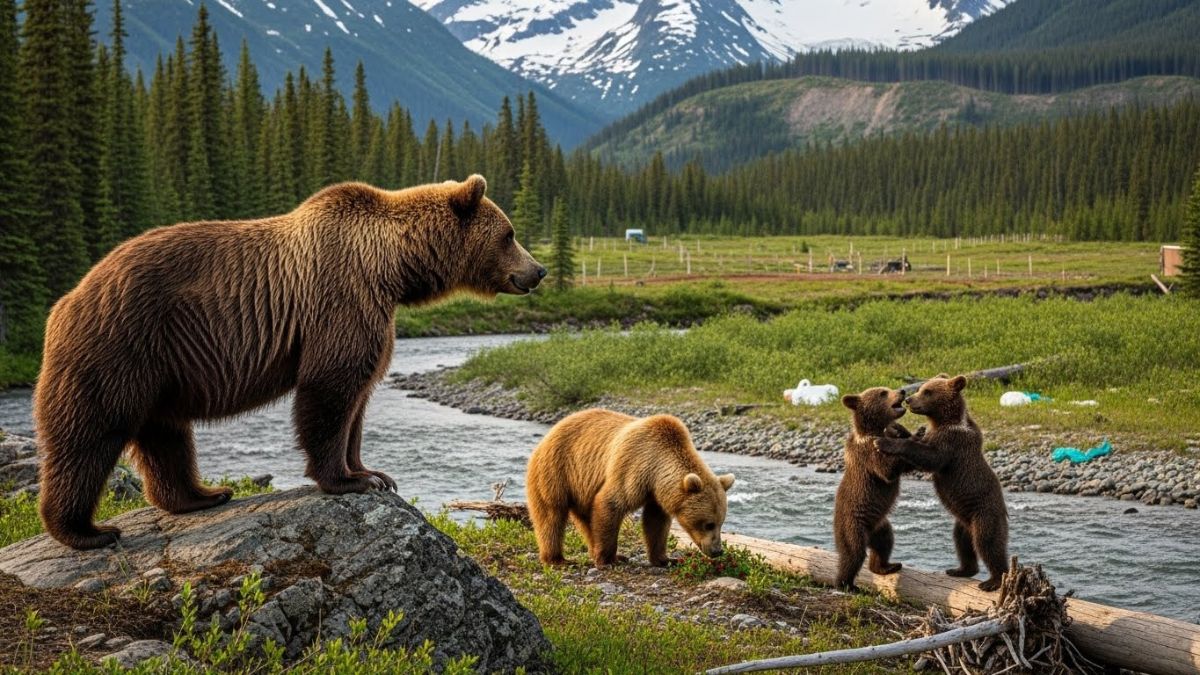
Brown bears are one of nature’s most magnificent creatures. With their powerful presence and undeniable charm, they capture the imagination of wildlife enthusiasts and casual observers alike. Found across various regions, these majestic animals play a crucial role in their ecosystems. However, brown bears face numerous challenges that threaten their populations and habitats.
As we delve deeper into the world of brown bears, we’ll explore where they live, what puts them at risk, and how conservation efforts aim to protect them. Join us on this journey through the forests and mountains where these incredible beings roam freely—discovering not just their plight but also the inspiring stories of resilience that emerge from dedicated conservation initiatives.
Habitat and Distribution of Brown Bears
Brown bears are magnificent creatures that thrive in diverse habitats. You can find them in forests, mountains, and even tundra regions. Their adaptability allows them to survive in various climates, from coastal areas to inland terrains.
These bears primarily inhabit North America, Europe, and Asia. In the United States, they roam the vast wilderness of Alaska and parts of Montana and Wyoming. European brown bears are often found in isolated forested regions across Scandinavia and Eastern Europe.
Their distribution is closely linked to food availability. Brown bears feast on berries, fish, and small mammals during different seasons. This dependence on seasonal resources influences their movements throughout their territories.
As habitat fragmentation continues due to urban development and logging activities, understanding where brown bears live becomes crucial for effective conservation efforts. Protecting these natural environments ensures a future for this iconic species amidst changing landscapes.
Threats to Brown Bears and Conservation Efforts
Brown bears face numerous threats that jeopardize their survival. Habitat loss due to urban development and logging is a major concern. As forests shrink, these majestic creatures lose their natural homes, leading to conflicts with humans.
Poaching remains another significant threat. Despite laws protecting them, illegal hunting persists for bear parts and trophies. This not only reduces their populations but disrupts the ecological balance.
Climate change also plays a role in altering food availability and habitats. Changes in temperature affect berry growth, which is crucial for brown bears before hibernation.
Conservation efforts are underway globally to address these challenges. Organizations work on habitat restoration projects and enforce stricter anti-poaching regulations.
Public awareness campaigns educate communities about the importance of preserving brown bears and fostering coexistence. These initiatives aim to ensure both wildlife safety and human interests align harmoniously in shared landscapes.
Challenges in Conserving Brown Bears
Conserving brown bears presents significant challenges that conservationists grapple with daily. One of the primary issues is habitat loss. As urban areas expand, natural habitats shrink, forcing bears into closer proximity to human populations.
Human-wildlife conflict often arises from this overlap. When food sources dwindle, brown bears may venture into residential areas searching for scraps, leading to dangerous encounters.
Climate change also poses a threat. Altered weather patterns disrupt the availability of food like salmon and berries, essential for their survival during critical seasons.
Moreover, poaching remains a persistent issue in some regions. Despite protective laws, illegal hunting still occurs due to high demand for bear parts in traditional medicine and trophy hunting.
Educating communities about coexistence strategies is vital yet challenging. Many people lack awareness or understanding of the importance of preserving these majestic creatures and their ecosystems.
Success Stories in Brown Bear Conservation
Brown bear conservation has seen some remarkable success stories over the years. One noteworthy example is the rebounding population in Yellowstone National Park. Since protections were put in place, numbers have climbed from a mere 136 bears in the early ’80s to over 700 today.
Another inspiring tale comes from Katmai National Park in Alaska. Here, community efforts focused on habitat preservation and education have led to healthier ecosystems that support brown bear populations.
In Europe, innovative approaches like wildlife corridors help connect fragmented habitats. This method not only aids brown bears but also enhances biodiversity by allowing various species to thrive together.
These successes inspire hope for ongoing conservation initiatives around the globe, showcasing how collaboration can yield tangible results for these majestic creatures.
Role of Local Communities in Protecting Brown Bears
Local communities play a crucial role in protecting brown bears. Their intimate knowledge of the land and its wildlife gives them unique insights into bear behavior and habitat needs.
Engaging these communities fosters stewardship. When people feel connected to their natural surroundings, they are more likely to advocate for conservation efforts. Educational programs can empower residents with information about sustainable practices that reduce human-bear conflicts.
Community-based initiatives, such as eco-tourism, offer economic incentives while promoting awareness. By valuing brown bears as part of their cultural heritage, local populations create a vested interest in ensuring their survival.
Collaborative projects between authorities and residents often yield positive results. Communities that participate actively in conservation tend to develop innovative solutions tailored to their specific challenges, making them indispensable allies in the fight for brown bear preservation.
Future Prospects for Brown Bear Conservation
The future of brown bear conservation hinges on adaptive management strategies. Enhanced habitat protection is vital, ensuring these majestic creatures have the space they need to thrive.
Innovative tracking technologies will play a critical role in understanding their movements and behaviors. By utilizing GPS collars and remote cameras, researchers can gather invaluable data that informs conservation efforts.
Community involvement is essential as well. Educating local populations about the ecological significance of brown bears fosters coexistence rather than conflict. Engaging grassroots initiatives empowers communities to protect their environment actively.
Legislative support must also evolve alongside scientific advancements. Stronger regulations against poaching and habitat destruction would further safeguard these animals’ futures.
With concerted efforts from scientists, policymakers, and communities alike, there’s hope for sustaining healthy populations of brown bears in their natural habitats for generations to come.
Conclusion
Brown bears are resilient creatures, adapting to various habitats across the globe. Yet, they face numerous challenges that threaten their survival and well-being.
Conservation efforts have made a significant impact in some areas. However, continuous support is crucial for long-term success.
Local communities play an essential role in these initiatives. By fostering coexistence with wildlife, they become vital partners in protecting brown bears and their ecosystems.
The future of brown bear populations hinges on education and engagement. It will take collective action to ensure these magnificent animals thrive for generations to come.
Every effort counts when it comes to securing a safe haven for brown bears. Their presence enriches our natural world immensely.
FAQ’s
Brown bears, with their majestic presence and vital role in ecosystems, have become a focus of extensive conservation efforts. Understanding their habits and habitats is crucial for effective protection strategies.
Many people wonder about the specifics of these magnificent creatures. Here are some common questions regarding brown bears:
What do brown bears eat?
Brown bears are omnivorous and have diverse diets. They consume berries, roots, fish, small mammals, and carrion depending on seasonal availability.
Where can I see brown bears in the wild?
Brown bear populations thrive in various regions across North America, Europe, and Asia. National parks like Yellowstone or Katmai offer opportunities to observe them safely.
Are brown bears endangered?
While not currently listed as endangered globally, certain subspecies face significant threats due to habitat loss and hunting pressures.
What can be done to protect brown bears?
Community involvement plays a pivotal role in conservation efforts. Supporting local wildlife initiatives helps preserve habitats essential for these animals’ survival.
How do climate change effects impact brown bear habitats?
Climate change alters food supply dynamics by affecting plant growth cycles. This impacts bear health and reproductive success over time.