
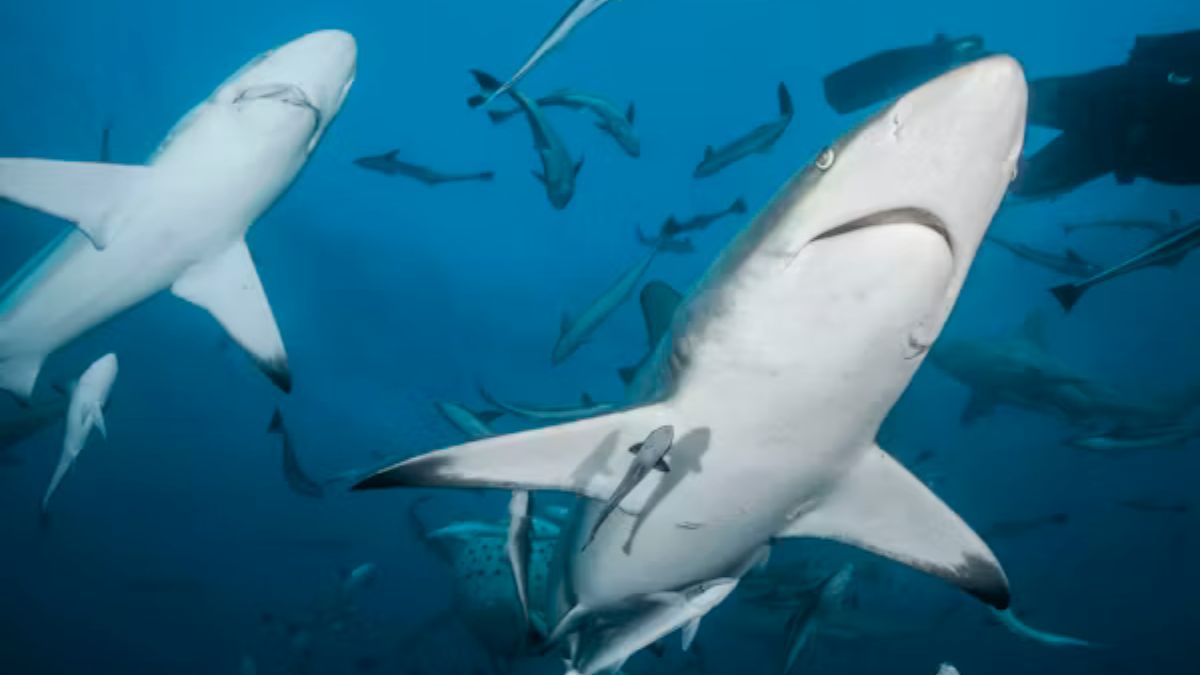
Sharks are often portrayed as fearsome predators lurking beneath the waves. While their reputation might send shivers down our spines, these magnificent creatures play a vital role in maintaining the health of our oceans. With over 500 species ranging from the majestic whale shark to the swift mako, sharks have inhabited Earth’s waters for more than 400 million years. Yet, despite their ancient lineage and ecological importance, they face unprecedented threats that jeopardize not just their survival but also the balance of marine ecosystems worldwide.
As apex predators, sharks help regulate fish populations and maintain healthy coral reefs. Their decline can trigger a cascade of negative effects throughout oceanic habitats. Understanding why protecting sharks matters is essential if we want to preserve both marine biodiversity and human livelihoods reliant on these incredible animals.
Join us as we dive deeper into the world of sharks—exploring their significance in our ecosystem, examining current threats they face, highlighting conservation efforts making waves globally, and discovering how you can contribute to safeguarding these invaluable guardians of our seas.
The Importance of Sharks in the Ecosystem
Sharks play a crucial role in maintaining balance within marine ecosystems. As apex predators, they help regulate fish populations and ensure that species remain healthy.
By preying on the weak or sick, sharks keep other marine life strong. This natural selection promotes biodiversity, which is essential for resilient ecosystems.
Their presence influences the behavior of prey species, leading to healthier habitats like coral reefs. When shark numbers dwindle, these environments can suffer drastically.
Healthy oceans depend on diverse food webs. Without sharks to maintain equilibrium, we risk imbalances that could cascade through entire ecosystems.
In short, protecting sharks means safeguarding our oceans’ health and vitality for generations to come.
Threats Facing Shark Populations
Shark populations are facing numerous threats that endanger their survival. Overfishing remains one of the most critical issues. Sharks are often caught as bycatch in commercial fishing operations, leading to significant declines in their numbers.
Another major threat is finning. This cruel practice involves removing shark fins for soup while discarding the rest of the body back into the ocean. Many sharks die from this brutal treatment.
Habitat destruction poses yet another challenge. Coastal development and pollution degrade essential environments like coral reefs and mangroves, crucial for shark breeding and feeding.
Climate change also plays a role, altering marine ecosystems and affecting prey availability for these apex predators. As ocean temperatures rise, some species may struggle to adapt or migrate effectively.
These factors create a perfect storm that jeopardizes not only sharks but entire marine ecosystems reliant on them.
Conservation Efforts and Success Stories
Many organizations are actively working to protect sharks and their habitats. These initiatives range from research programs to community awareness campaigns.
One notable success story is the establishment of marine protected areas (MPAs). Countries like Palau have created vast sanctuaries that provide safe havens for various shark species. These zones restrict fishing activities, allowing populations to rebound.
Another impressive effort is the tagging and tracking of sharks through scientific studies. This technology helps researchers understand migration patterns and breeding habits, enabling better conservation strategies.
In some regions, local communities have embraced eco-tourism centered on sharks. By showcasing these majestic creatures, they not only foster appreciation but also promote sustainable practices that benefit both wildlife and local economies.
The collaboration between governments, NGOs, and scientists has led to increased regulations against shark finning in multiple countries. Such legislation signifies a shift toward responsible management of ocean resources.
Economic Benefits of Shark Conservation
Shark conservation isn’t just about protecting a species; it’s also an economic boon. Healthy shark populations support vibrant marine ecosystems, which in turn sustain numerous fisheries. Without sharks, these delicate balances can collapse, leading to declines in fish stocks.
Tourism provides another significant benefit. Destinations known for shark diving and eco-tourism attract visitors from around the globe. These tourists contribute to local economies by spending on accommodations, food, and experiences that celebrate marine life.
Moreover, the presence of sharks often indicates a thriving ocean environment. This health can lead to increased biodiversity that supports various industries reliant on marine resources.
By investing in shark conservation efforts, communities can create sustainable jobs while ensuring future generations enjoy robust oceans filled with diverse marine wildlife. Protecting sharks is not only vital for their survival but also for the overall well-being of coastal communities worldwide.
Actions You Can Take to Help Protect Sharks
Supporting shark conservation can start with simple actions in your everyday life. Educate yourself and others about the importance of these magnificent creatures. Share information through social media or conversations to raise awareness.
Choose sustainable seafood options. When shopping, look for certifications that ensure ethical fishing practices, which help protect sharks from overfishing and bycatch.
Participating in beach clean-ups not only benefits marine life but also helps create a healthier ocean environment where sharks thrive. Your effort matters more than you think.
Consider supporting organizations dedicated to shark research and preservation. Donations can go a long way in funding vital projects aimed at protecting their habitats.
If you’re fortunate enough to dive or snorkel, opt for eco-friendly tours that promote respect for marine wildlife. Observing sharks responsibly contributes to their protection while enjoying nature’s beauty firsthand.
Conclusion:
Shark conservation is not just about protecting a single species. It’s about preserving the balance of our oceans and ensuring that marine ecosystems thrive.
These apex predators are integral to maintaining healthy oceanic environments. Their presence helps regulate fish populations, which in turn supports diverse marine life.
Every action counts when it comes to shark protection. Whether you’re an advocate or simply love the ocean, small efforts can create waves of change.
From supporting sustainable fishing practices to raising awareness on social media, everyone has a role to play. Education is key; understanding the importance of sharks can inspire more people to join the cause.
Together, we can work towards a future where sharks continue to roam freely in our waters, contributing their vital role in nature for generations to come. The fight for their survival is ongoing and requires collective commitment from all of us.
FAQ’s
Shark conservation is a topic that resonates with many, but questions often arise. Here are some frequently asked questions about these magnificent creatures and the importance of protecting them.
What role do sharks play in marine ecosystems?
Sharks are apex predators, which means they sit at the top of the food chain. They help maintain the balance of marine life by keeping populations of other species in check. This contributes to healthy ocean ecosystems.
Why are shark populations declining?
Shark populations face threats from overfishing, habitat loss, and climate change. Overfishing includes targeted fishing as well as bycatch in commercial fisheries. Additionally, practices like shark finning contribute significantly to their decline.
How can I get involved in shark conservation efforts?
There are numerous ways to help! You can support organizations dedicated to marine wildlife protection or participate in beach cleanups and awareness campaigns. Educating others about sharks is also vital for changing perceptions and encouraging sustainable practices.
Are all sharks dangerous to humans?
Most shark species pose little threat to humans. In fact, incidents involving sharks attacking humans are extremely rare compared to other risks we encounter daily.
What’s being done globally for shark conservation?
Many countries have implemented laws aimed at protecting certain shark species from overfishing and illegal trade. International agreements also work towards sustainable fishing practices that include monitoring fish stocks effectively.