
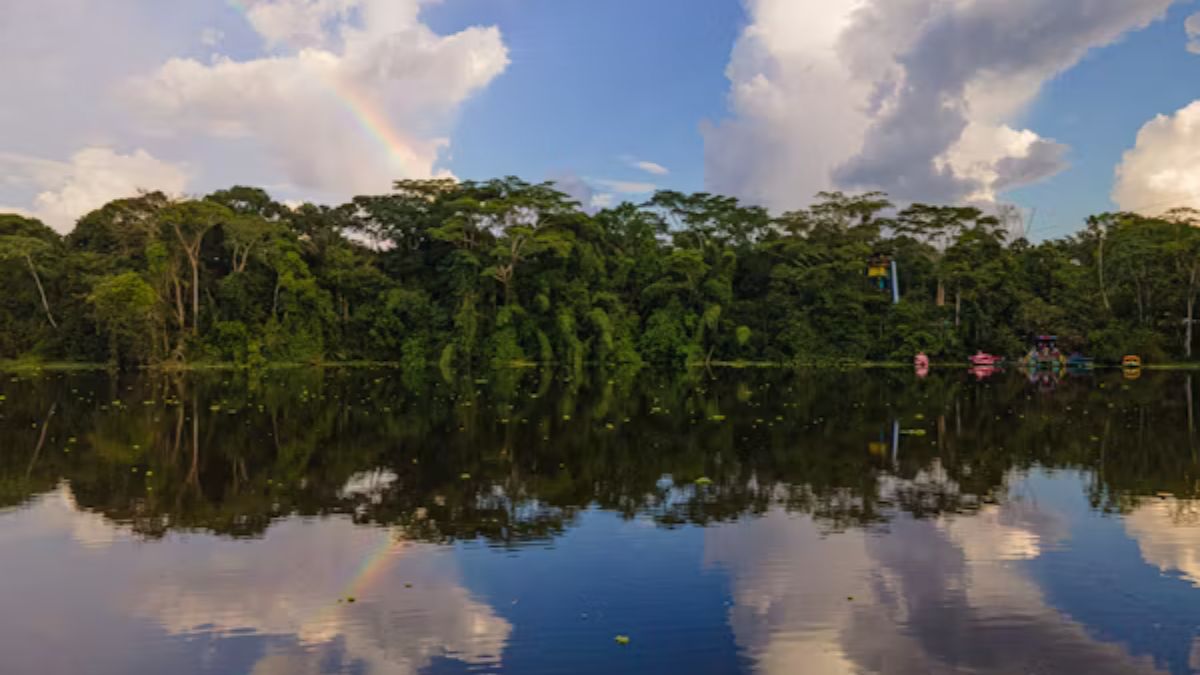
The Amazon Rainforest is often referred to as the lungs of our planet, a vast and vibrant ecosystem that teems with life. Spanning across multiple countries in South America, this incredible expanse covers around 5.5 million square kilometers. It’s home to an astonishing variety of flora and fauna, many of which are found nowhere else on Earth.
As you step into the lush embrace of the Amazon, you’ll encounter towering trees reaching for the sky, colorful birds flitting through the canopy, and exotic creatures lurking in its depths. This rich biodiversity is not just a spectacle; it plays a pivotal role in regulating our climate and supporting countless livelihoods.
But beneath this beauty lies a fragile balance threatened by human activities. Deforestation, pollution, and climate change pose significant risks to its delicate ecosystems. Understanding the treasures hidden within this rainforest—and how we can protect them—has never been more urgent or important. Join us as we explore what makes the Amazon one of nature’s greatest wonders!
Importance of Biodiversity in the Amazon
Biodiversity in the Amazon is a vital component of our planet’s health. This lush rainforest houses an astonishing variety of plant and animal species, many of which are not found anywhere else on Earth.
Each organism plays a role in its ecosystem, contributing to everything from nutrient cycling to climate regulation. The interconnectedness fosters resilience against environmental changes, ensuring that life thrives amidst challenges.
Moreover, this diversity holds secrets for medicine and agriculture. Many treatments stem from plants unique to the Amazon. Preserving these species can lead to breakthroughs that benefit humanity as a whole.
The vibrant tapestry of life supports indigenous communities who have lived harmoniously with nature for centuries. Their knowledge enriches our understanding of sustainable practices and natural resource management.
In essence, the importance of biodiversity here extends far beyond just ecological balance; it touches health, culture, and innovation across the globe.
Threats to Biodiversity in the Amazon
The Amazon rainforest faces numerous threats that jeopardize its incredible biodiversity. Deforestation remains the most pressing issue, driven largely by agriculture and logging. Vast areas are cleared for cattle ranching and crops like soybeans, disrupting habitats.
Pollution from mining activities contaminates rivers and soil, impacting both wildlife and local communities. The introduction of invasive species further complicates the ecosystem’s delicate balance, outcompeting native flora and fauna.
Climate change is another significant factor affecting this vibrant region. Rising temperatures alter rainfall patterns, leading to droughts or floods that can devastate entire ecosystems.
Human encroachment continues to fragment habitats, forcing animals into smaller territories where survival becomes increasingly challenging. Each of these threats interconnects in a complex web that makes conserving the Amazon’s biodiversity an urgent priority.
Conservation Efforts and Success Stories
Across the vast expanse of the Amazon rainforest, conservation efforts are making a remarkable impact. Organizations and local communities work tirelessly to protect this ecological gem.
One success story is the creation of protected areas. These reserves safeguard countless species and their habitats from deforestation and exploitation. They also serve as living laboratories for scientists studying biodiversity.
Additionally, reforestation initiatives have gained momentum. Communities plant native trees, restoring ecosystems that were once ravaged by logging or agriculture. This not only rejuvenates wildlife but also strengthens local economies through sustainable practices.
Innovative projects involving indigenous peoples empower them to manage their ancestral lands actively. Their traditional knowledge enhances conservation strategies while preserving cultural heritage.
These combined efforts showcase resilience in protecting one of Earth’s most vital ecosystems—a beacon of hope for biodiversity amidst growing threats.
Lesser-known Species of the Amazon
The Amazon rainforest is a realm of astonishing diversity, home to countless species that often go unnoticed. Among the lesser-known residents is the pink river dolphin, an enchanting creature that thrives in its murky waters. Unlike its oceanic relatives, this freshwater mammal exhibits a charming blush hue.
Hidden beneath the dense canopy lies the enigmatic poison dart frog. These tiny amphibians wield vibrant colors as both warning signals and masterpieces of evolution. Their skin secretes potent toxins, showcasing nature’s ingenuity.
Another captivating inhabitant is the Potoo bird. With its extraordinary camouflage and haunting calls at dusk, it remains elusive to many wildlife enthusiasts.
Consider the giant anteater—an insectivorous marvel with long claws designed for digging into ant hills. Each of these creatures plays an integral role in maintaining the delicate balance within their ecosystem.
Exploring such unique life forms offers just a glimpse into the rich tapestry woven throughout this incredible jungle.
Indigenous Cultures and their Relationship with Biodiversity
Indigenous cultures are deeply intertwined with the Amazon rainforest. For centuries, they have lived in harmony with its diverse ecosystems. Their knowledge of plants and wildlife is unparalleled, stemming from generations of observation and interaction.
These communities rely on biodiversity for sustenance, medicine, and spiritual practices. Each species has significance—whether it’s a particular tree used for shelter or a plant known for its healing properties. This connection fosters respect and stewardship toward the environment.
Moreover, indigenous peoples play an essential role in conservation efforts. Their traditional practices often promote sustainability. They understand that preserving their land means safeguarding their way of life.
The wisdom embedded within these cultures offers valuable insights into biodiversity management. As guardians of the forest, they demonstrate how ancient knowledge can guide modern conservation strategies while maintaining ecological balance across this vital region.
Ecotourism in the Amazon: Balancing Conservation and Development
Ecotourism offers a unique avenue for exploring the Amazon rainforest while promoting conservation. It allows travelers to experience its breathtaking beauty firsthand, fostering an appreciation for this vital ecosystem.
Local communities play a crucial role in these ecotourism initiatives. They share their knowledge of the land and its inhabitants, turning visitors into advocates for preservation. This partnership benefits both nature and local economies.
Sustainable practices are at the heart of successful ecotourism ventures. By prioritizing low-impact activities like guided hikes or birdwatching tours, they minimize disruption to wildlife habitats.
However, challenges remain. Balancing tourism growth with environmental protection is delicate work that requires constant vigilance and cooperation among stakeholders.
The potential for positive change exists when tourists choose responsible travel options that prioritize sustainability over exploitation. With informed choices, we can ensure that future generations will still marvel at the wonders of the Amazon rainforest.
The Role of Global Community in Protecting the Biodiversity of the Amazon
The global community plays a pivotal role in protecting the biodiversity of the Amazon. Awareness is key. People around the world are increasingly understanding the threats facing this vital ecosystem.
International organizations, governments, and NGOs collaborate on initiatives aimed at conservation. These partnerships often lead to funding for research and preservation projects that benefit both wildlife and local communities.
Social media has also become a powerful tool for advocacy. Campaigns raise awareness about deforestation, pollution, and climate change impacting the Amazon. When individuals share information online, they amplify the call for action.
Moreover, responsible consumers can make choices that support sustainable practices in businesses linked to rainforest resources. This collective effort makes a difference.
Every voice matters in this fight against environmental degradation. The more we unite globally, the stronger our impact will be on preserving one of Earth’s most precious treasures.
Conclusion:
The Amazon rainforest is more than just a vast expanse of greenery. It embodies life in countless forms, each playing a role in the intricate web of ecosystems.
Preserving this biodiversity isn’t only vital for the planet but enriches human lives too. The unique flora and fauna inspire advancements in medicine, agriculture, and environmental science.
As awareness grows about the importance of the Amazon’s ecological treasures, collective action becomes essential. Communities worldwide must come together to safeguard this natural wonder for future generations.
Every small effort counts when it comes to conservation efforts. Awareness campaigns can spark interest and dedication toward protecting these precious resources.
Together, we have an opportunity to respect both nature and indigenous cultures that thrive within this environment. Ensuring their voices are heard will create a brighter future for all who call the Amazon home.
FAQ’s
What makes the Amazon rainforest unique?
The Amazon rainforest boasts unparalleled biodiversity, housing an estimated 390 billion individual trees across 16 thousand different species!
How does deforestation impact biodiversity in the Amazon?
Deforestation leads to habitat loss for numerous species, disrupting ecosystems and threatening survival rates across various taxa.
Are there any successful conservation projects in the Amazon?
Yes! Initiatives like protected areas and community-led reforestation projects have shown promising results in conserving wildlife habitats while involving local populations.
How do indigenous cultures contribute to biodiversity preservation?
Indigenous communities possess extensive traditional knowledge about sustainable land use practices that help maintain healthy ecosystems within their territories.
What role does ecotourism play in protecting the amazon rainforest?
Ecotourism promotes awareness about environmental issues while providing financial incentives for locals to engage in conservation efforts rather than destructive activities like logging or mining.