
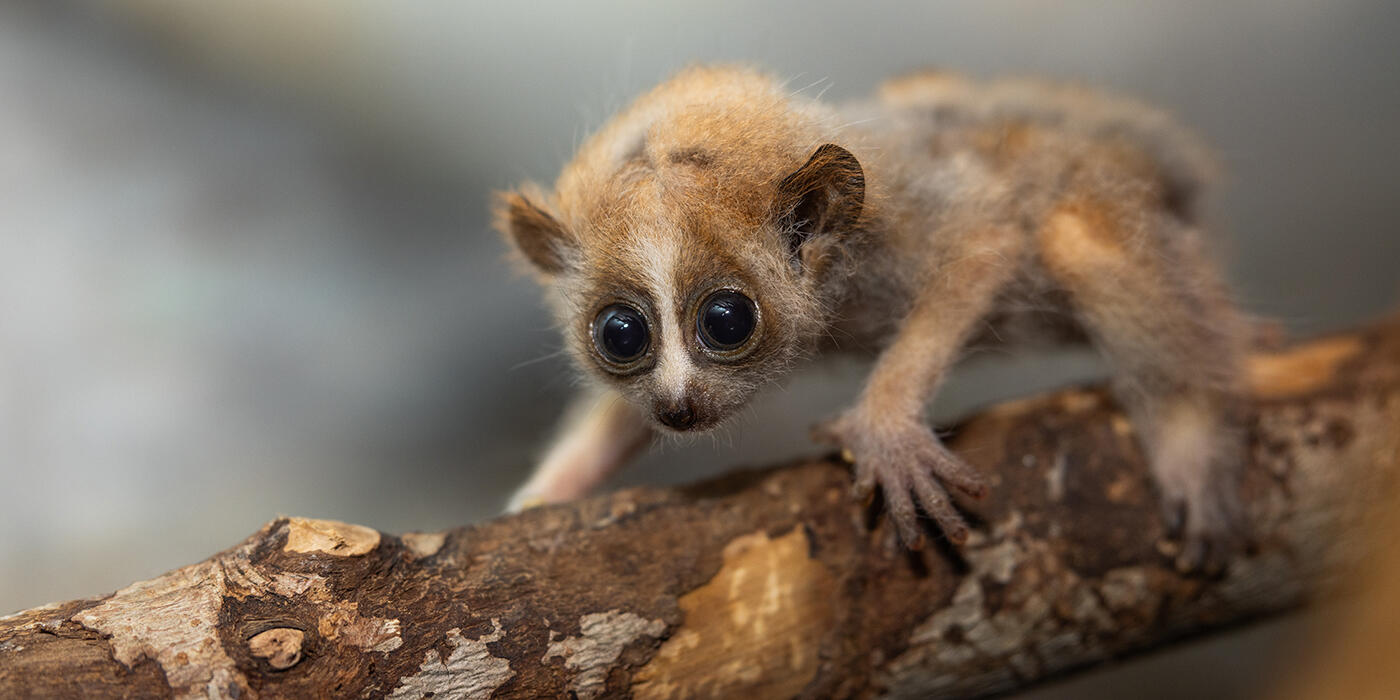
Introduction to Loris
When the sun dips below the horizon, a world of mystery awakens. Among its shadows lurk creatures that captivate and intrigue, none more so than the loris. These small primates, with their soulful eyes and slow movements, have captured the fascination of nature enthusiasts around the globe. But what do we really know about these enigmatic beings? From their unique adaptations to their surprising diet, there’s much to uncover about these nocturnal wonders. Join us as we dive deep into the captivating world of lorises—the hidden gems of the night!
The Different Types of Loris
Loris species belong to the family Lorisidae, showcasing a fascinating variety. The most notable types include the Slow Loris and the Pottos.
Slow Lorises are famous for their deliberate movements and large, expressive eyes. Their adorable appearance often captivates people worldwide.
Pottos, on the other hand, have a more robust build compared to their slow counterparts. They possess unique adaptations that make them excellent climbers in dense forests.
Another interesting type is the Slender Loris, known for its long limbs and agility. This species thrives in various habitats across India and Sri Lanka.
Each type has distinct characteristics but shares common traits like nocturnal behavior and social structures. These differences contribute to their survival strategies in diverse environments around Asia and Africa.
Unique Characteristics of Loris
Loris are fascinating primates with several unique traits that set them apart from other nocturnal creatures. Their large, round eyes allow for exceptional night vision, helping them navigate the forest floor under low light conditions.
One of their most striking features is their slow and deliberate movement. This stealthy approach aids in avoiding predators while searching for food among the leaves and branches. The loris can blend seamlessly into its surroundings thanks to its fur, which often resembles tree bark or foliage.
Another remarkable characteristic is their toxic bite. Some loris species possess venomous glands in their elbows that secrete toxins when they lick or rub these areas on their fur before biting. This unusual defense mechanism makes them one of the few venomous primates known to science.
Their social behavior varies; some may live solitary lives while others form small family groups, showcasing a range of interactions within species.
Habitat and Distribution
Loris are primarily found in the rainforests and woodlands of Southeast Asia. Their range extends across countries like India, Sri Lanka, Thailand, Malaysia, Indonesia, and the Philippines. These nocturnal primates thrive in dense foliage where they can find ample food and shelter.
The different species of loris inhabit various ecosystems. The slow loris prefers tropical forests with plenty of trees for climbing. Meanwhile, slender lorises often dwell in scrub forests and secondary growth areas.
Their unique adaptations allow them to blend seamlessly into their surroundings. This camouflage helps protect them from predators while they forage for insects and fruits during the night.
Due to habitat destruction caused by logging and agriculture, many loris populations face significant threats. Conservation efforts focus on preserving these vital habitats to ensure that these captivating creatures continue to roam the forest floors after dusk.
Nocturnal Behavior and Diet
Loris are fascinating nocturnal creatures. They come alive under the cover of darkness, using their keen senses to navigate the night. Their large eyes help them see in low light, making it easier to spot prey and avoid predators.
These primates primarily feast on insects, fruits, and tree sap. Their slow movements allow them to stalk unsuspecting meals without alarming potential snacks. A loris can grip a branch with its strong hands while delicately plucking food from nearby foliage.
Interestingly, some species exhibit unique feeding behaviors. For instance, they may use their teeth to extract resin from trees or tap into the sweetness of ripe fruit. The slow loris even produces venom from glands in its elbows that it mixes with saliva before licking its fur—a clever way to protect itself while foraging at night!
Threats and Conservation Efforts
Loris populations face significant threats in the wild. Habitat loss is a major concern, primarily due to deforestation and urban expansion. As their forest homes vanish, these creatures struggle to find food and shelter.
Poaching adds another layer of danger. Loris are sought after for illegal pet trade and traditional medicine. This demand drives them closer to extinction, as many individuals are captured from their natural habitats.
Conservation efforts play a crucial role in protecting loris species. Various organizations focus on habitat preservation and awareness campaigns aimed at local communities. Educating people about the ecological importance of lorises helps reduce hunting pressures.
Additionally, rescue centers work tirelessly to rehabilitate injured or orphaned lorises. Their goal is not only recovery but also reintroduction into safe environments where they can thrive once more. Through combined efforts, there’s hope for the future of these enchanting nocturnal beings.
Interactions with Humans: Myths vs Reality
Loris have long captivated human imagination, often shrouded in myths and misconceptions. Many people believe they are dangerous due to their slow movements and large eyes. In reality, these creatures are primarily shy and non-aggressive.
The myth of the loris being venomous is particularly intriguing. Some species produce a toxin from their elbows, which they can mix with saliva when biting. This has led to exaggerated tales of them being lethal predators, but such instances are rare and misinterpreted.
In many cultures, lorises have been associated with magical properties or good fortune. While their unique appearance makes them appealing as pets or symbols in art, capturing wild lorises for the pet trade poses significant risks to their populations.
Education about these remarkable animals helps dispel false beliefs while promoting conservation efforts essential for their survival amidst growing threats like habitat destruction.
Interesting Facts about Loris
Loris are fascinating creatures with some surprising traits. For starters, they have a slow-motion way of moving that helps them avoid detection by predators. Their deliberate movements make them seem almost ghost-like in the trees.
Another intriguing fact is their unique defense mechanism. When threatened, loris can secrete a toxin from their elbow glands. This toxin can cause allergic reactions in other animals and even humans!
These primates also possess huge eyes relative to their body size, allowing for exceptional night vision. This adaptation is crucial since they are strictly nocturnal.
Loris are social but often solitary feeders. They communicate through vocalizations and scent marking, establishing territory without much fuss.
Though they may appear cute and cuddly, loris are wild animals deserving respect and protection in their natural habitats.
How to Spot a Loris in the Wild
Spotting a loris in the wild can be an exhilarating experience. These elusive creatures are masters of camouflage, blending seamlessly into their surroundings.
Start your search at dusk when they become active. Listen for soft rustling sounds in the trees or faint calls that hint at their presence. Look for movement among branches—lorises move slowly and deliberately.
Pay attention to their eyes; they often reflect light like tiny lanterns against the night sky. Focus on areas with dense foliage where they typically reside.
Be patient and quiet as you observe. Sudden movements may scare them away, so approach gently. A good flashlight can help illuminate low-hanging branches where lorises might be perched.
Remember, these primates are nocturnal, so early mornings or late evenings are prime times for spotting them in action!
Conclusion
Loris are truly captivating creatures that hold a special place in the biodiversity of our planet. Their unique features, nocturnal lifestyle, and gentle demeanor make them remarkable subjects for wildlife enthusiasts and researchers alike. However, these enchanting primates face significant threats from habitat loss and illegal trade.
As you learn more about loris, consider their role in ecosystem balance and the importance of conserving their habitats. Engaging with local conservation efforts can help protect these intriguing nocturnal animals for future generations to appreciate. Whether you’re looking to spot a loris on your next adventure or simply want to deepen your understanding of this fascinating species, there’s much more waiting to be discovered in the world of lorises. Your journey into their enigmatic lives may inspire action towards preserving such extraordinary wildlife treasures.