
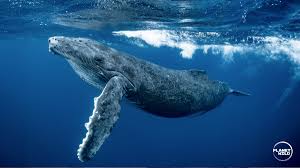
Introduction to the Blue Whale
The blue whale, a creature of awe and wonder, roams the oceans as nature’s gentle giant. With its massive size and graceful movements, it captivates all who are fortunate enough to catch a glimpse. These magnificent marine mammals can reach lengths of up to 100 feet, making them the largest animals on Earth—ever! Yet, despite their colossal presence, blue whales embody grace and serenity in their underwater world.
As we dive deeper into understanding these incredible beings, we’ll explore their majestic physical characteristics and unique habitats. We’ll also uncover fascinating insights into how they feed and the critical conservation efforts underway to protect them. Join us on this journey through the deep blue sea as we celebrate one of nature’s most extraordinary wonders—the blue whale.
Physical Characteristics and Size
The blue whale is the largest animal to have ever existed on Earth. These magnificent creatures can reach lengths of up to 100 feet, with some exceptional individuals documented at even greater sizes.
Their immense bodies are streamlined, allowing them to glide effortlessly through ocean waters. The bluish-gray skin often features lighter spots that create a stunning contrast against the deep sea.
Adult blue whales can weigh as much as 200 tons, which is comparable to about 30 elephants. Their hearts alone can weigh over 400 pounds and are roughly the size of a small car.
Each blue whale has distinctive markings unique like fingerprints. This helps researchers identify individual whales in studies aimed at conservation and protection efforts.
With long, slender flippers and powerful tails, these gentle giants navigate vast distances during their migrations with grace and ease.
Habitat and Migration Patterns
The blue whale, the largest animal on Earth, is primarily found in oceans around the globe. These magnificent creatures prefer deep waters and often inhabit areas with abundant food sources.
Migration patterns are fascinating. Blue whales travel vast distances between feeding grounds and breeding sites. Typically, they spend summers in colder regions like the North Atlantic or Pacific Oceans to take advantage of rich krill populations.
As winter approaches, they migrate towards warmer waters for calving. This seasonal journey can span thousands of miles, showcasing their remarkable endurance and navigational skills.
Interestingly, each population has its unique migration route. Some may venture closer to coastlines while others remain far offshore. Understanding these habits helps researchers protect critical habitats essential for their survival.
Diet and Feeding Habits
The blue whale’s diet primarily consists of tiny shrimp-like creatures called krill. These majestic giants can consume up to four tons of krill in a single day during feeding season.
Blue whales are filter feeders, using their baleen plates to sieve vast amounts of water. As they take in large gulps while swimming, the baleen traps the krill, allowing the whale to expel excess water through its mouth.
During feeding dives, blue whales may go deep beneath the surface. They often reach depths of over 300 feet and stay submerged for around 20 minutes before resurfacing for air.
Unlike some other marine animals, blue whales do not rely on speed or agility. Instead, they utilize their sheer size and strength to gather food efficiently in nutrient-rich waters where krill populations thrive.
Conservation Efforts for Blue Whales
Conservation efforts for blue whales are critical in ensuring their survival. These magnificent creatures face numerous threats, including ship strikes and entanglement in fishing gear. To combat these dangers, various organizations have mobilized to create protective measures.
International legislation plays a vital role. The International Whaling Commission (IWC) established a moratorium on commercial whaling, significantly reducing hunting pressures. Protected marine areas are also designated to provide safe havens for these gentle giants.
Research is crucial and ongoing. Scientists utilize advanced technologies like satellite tagging to track migration patterns and understand behavior better. This data helps refine conservation strategies.
Public awareness campaigns educate people about the plight of blue whales, fostering greater appreciation and support for marine conservation initiatives. Engaging communities can lead to positive changes that benefit both the environment and local economies dependent on healthy oceans.
The Role of Blue Whales in Ecosystems
Blue whales play a crucial role in maintaining the health of marine ecosystems. As the largest animals on Earth, they contribute significantly to nutrient cycling in ocean waters.
When blue whales feed, they consume large quantities of krill and other small marine organisms. This feeding process not only helps regulate prey populations but also disperses nutrients throughout their habitat. Their fecal matter is rich in nitrogen, which fuels phytoplankton growth—forming the base of the marine food web.
Additionally, blue whale movements support various species. Their migratory patterns influence where nutrients accumulate and affect breeding grounds for numerous fish and invertebrate species.
The presence of blue whales can indicate a healthy ocean ecosystem. Protecting these majestic creatures ensures that balance is maintained within their aquatic environments while highlighting our responsibility to conserve nature’s wonders.
Human Interactions and Impact on Blue Whales
Human interactions with blue whales are multifaceted and complex. On one hand, they face threats from shipping traffic. Collisions can cause severe injuries or even fatalities.
Climate change is another pressing concern. Rising ocean temperatures affect their migratory patterns and feeding grounds. As ice melts, the ecosystems that support their food sources become vulnerable.
Pollution poses additional risks to these majestic creatures. Plastics in the ocean can lead to ingestion or entanglement, while chemical runoff harms their habitat.
On a more positive note, ecotourism has emerged as a way to foster appreciation for blue whales. Responsible whale watching practices promote education and conservation efforts among communities.
Yet, it’s crucial for all of us to recognize our part in protecting this gentle giant. Sustainable practices must be prioritized if we hope to ensure their survival for generations to come.
The Beauty of Witnessing a Blue Whale in the Wild
Encountering a blue whale in its natural habitat is nothing short of breathtaking. These gentle giants glide gracefully through the ocean, leaving observers in awe of their sheer size and elegance.
As they breach the surface, water cascades off their massive bodies like glittering diamonds. The sight can take your breath away. Every spout creates a moment of anticipation as it signals their presence beneath the waves.
Listening to their haunting calls adds another layer to this magical experience. It’s a reminder that these creatures communicate across vast distances, connecting with one another in deep blue waters.
Witnessing such majesty fosters a profound appreciation for marine life. Each encounter becomes an unforgettable memory etched into your heart. For many, it’s not just about seeing a blue whale; it’s about feeling deeply connected to nature itself, sparking wonder and respect for our oceans’ incredible inhabitants.
Conclusion: Appreciating the Magnificence of Nature’s Gentle Giant
The blue whale stands as a testament to the wonders of our planet. These magnificent creatures remind us of nature’s incredible diversity and power. Observing a blue whale in its natural habitat is an awe-inspiring experience that leaves lasting memories.
Each sighting reinforces the need for conservation efforts. Protecting these gentle giants ensures future generations can appreciate their majesty. As we learn more about blue whales, we deepen our connection with marine life.
Understanding their role in ocean ecosystems highlights how interconnected all species are. The survival of the blue whale impacts many aspects of marine health. By fostering awareness, we can advocate for policies that protect not just them but entire ocean habitats.
Witnessing a blue whale gracefully glide through the water captures the imagination and stirs emotions deep within us. Whether from boats or coastal viewpoints, each encounter fuels our sense of wonder and responsibility towards wildlife preservation.
Taking time to marvel at this gentle giant invites reflection on what it means to coexist with such extraordinary beings on Earth. Embracing this narrative enriches our lives while inspiring stewardship over our oceans and their inhabitants—reminding us that every creature has its place in nature’s grand tapestry.