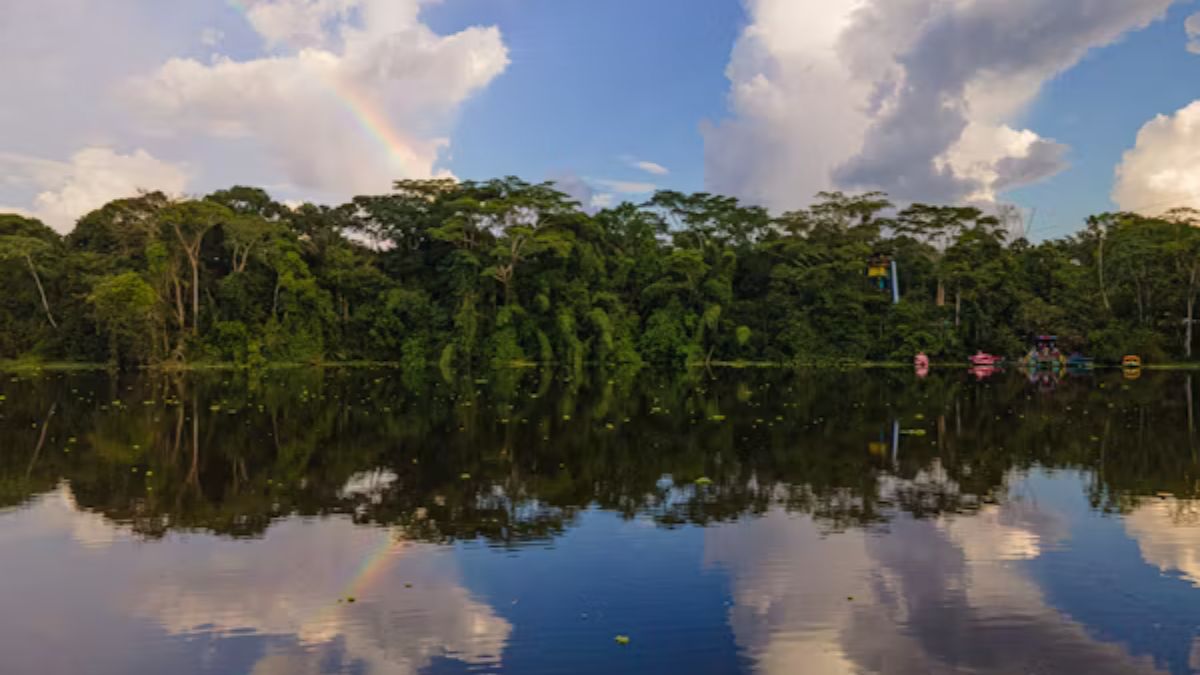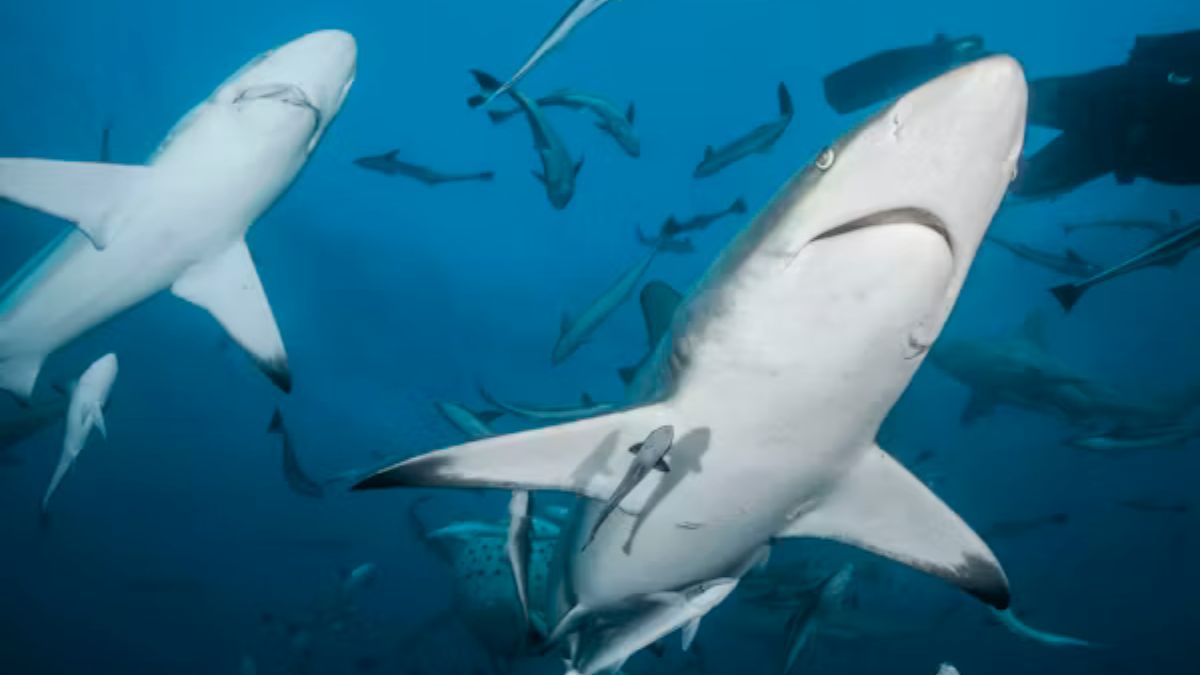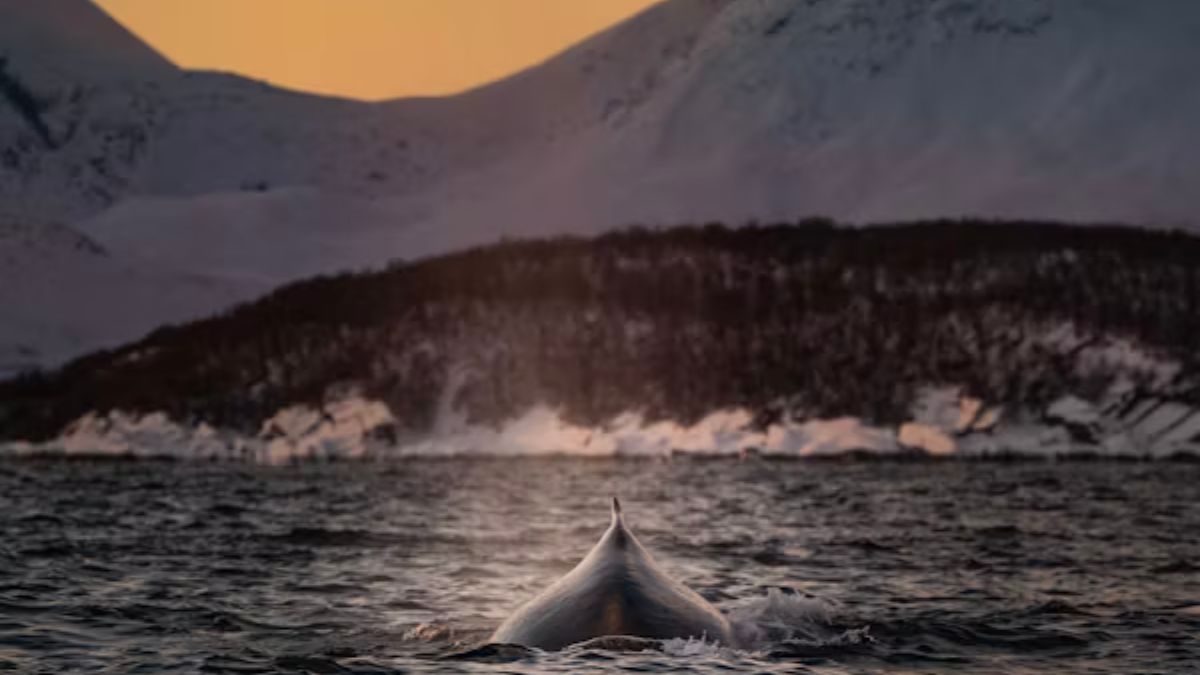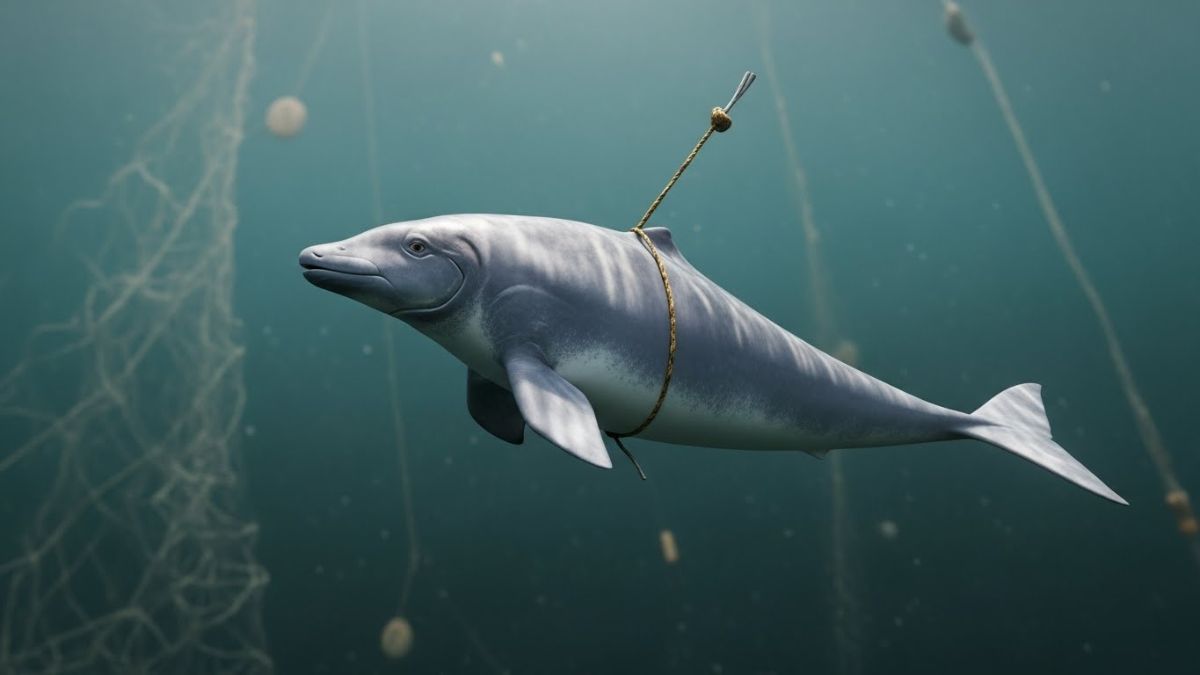










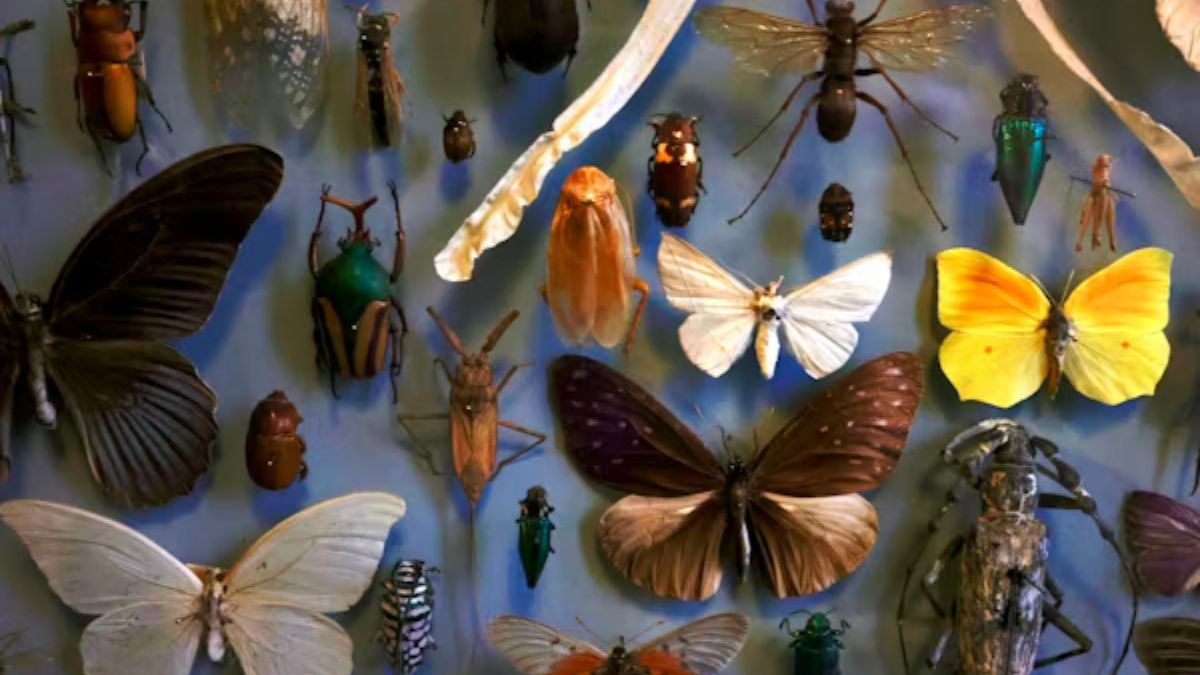
Biodiversity is more than just a buzzword; it’s the rich tapestry of life that surrounds us. From the smallest microorganisms in the soil to towering trees in ancient forests, every organism plays a crucial role in maintaining ecological balance. But what is biodiversity exactly? It encompasses all living things—plants, animals, fungi, and even microscopic creatures—and their interactions within ecosystems. Understanding its significance helps us appreciate our planet’s complexity and beauty.
As we delve deeper into this topic, we’ll explore various types of biodiversity and uncover why it matters so much for our world. The health of our environment hinges on this diversity; without it, ecosystems falter and can lead to dire consequences for all forms of life. Join us as we navigate through the intricate web that is biodiversity and examine how human actions affect these delicate systems. It’s time to discover why safeguarding biodiversity should be at the forefront of global efforts!
The Different Types of Biodiversity
Biodiversity isn’t just one thing; it comprises various types, each playing a vital role in our ecosystems.
The first type is genetic diversity. This refers to the variations within species. Different traits allow populations to adapt to changing environments and resist diseases.
Next up is species diversity, which includes the variety of species within a habitat or ecosystem. More species mean more interactions, leading to healthier ecosystems that can withstand environmental changes.
There’s ecosystem diversity. This encompasses different habitats like forests, wetlands, and coral reefs. Each ecosystem supports unique communities of plants and animals that contribute to life’s intricate web.
Understanding these types helps us appreciate how interconnected all living things are on Earth. Biodiversity fuels resilience and productivity in nature while providing essential services for humanity’s survival and well-being.
Why is Biodiversity Important?
Biodiversity plays a crucial role in maintaining ecosystem balance. Each species, no matter how small, contributes to the intricate web of life. This interdependence ensures that ecosystems function effectively.
Healthy biodiversity supports food security and nutrition. Diverse crops can withstand pests and diseases better than monocultures. This resilience is essential for feeding a growing global population.
Biodiversity also enhances ecosystem services such as clean air and water, pollination, and soil fertility. These services are vital for human survival.
Additionally, natural areas rich in biodiversity offer recreational opportunities and promote mental well-being. They provide spaces for connection with nature that many people cherish.
Preserving biodiversity helps combat climate change too. Diverse habitats store carbon more efficiently, mitigating the effects of greenhouse gases on our planet’s atmosphere. The loss of any species can have ripple effects across entire ecosystems, highlighting its importance even further.
Threats to Biodiversity
Biodiversity faces numerous threats that jeopardize the delicate balance of ecosystems. Habitat loss is one of the most pressing issues, primarily driven by urban development and agriculture. As forests shrink and wetlands disappear, countless species lose their homes.
Pollution also plays a significant role in diminishing biodiversity. Chemicals from industrial runoff and plastic waste contaminate habitats, leading to dire consequences for wildlife health.
Climate change introduces another layer of complexity. Rising temperatures alter migration patterns and disrupt breeding cycles, pushing some species toward extinction.
Invasive species further exacerbate these challenges. They often outcompete native flora and fauna for resources, destabilizing local ecosystems.
Overexploitation through activities like overfishing and poaching contributes to declining populations as well. These factors combined present a formidable threat to our planet’s rich tapestry of life.
Human Impact on Biodiversity
Human activities have dramatically reshaped ecosystems around the world. Urbanization, deforestation, and land use changes often lead to habitat destruction. This loss of natural spaces directly threatens countless species.
Pollution adds another layer of harm. Chemicals in water and air can devastate local wildlife. Marine life suffers from plastic waste and toxic runoff, disrupting entire aquatic ecosystems.
Climate change is also a significant factor altering biodiversity patterns. Rising temperatures affect migration patterns and breeding cycles for many animals. These shifts can create imbalances within various habitats.
Overexploitation poses a further danger as well. Unsustainable fishing practices deplete marine populations, while poaching endangers iconic terrestrial species like elephants and tigers.
Every action has consequences for our planet’s rich tapestry of life. Recognizing these impacts is crucial if we hope to protect what remains of our shared environment.
Efforts to Protect and Preserve Biodiversity
Across the globe, various initiatives aim to protect and preserve biodiversity. Conservation organizations play a crucial role in identifying endangered species and habitats. Their work often involves extensive research and community engagement.
Protected areas, such as national parks and wildlife reserves, serve as safe havens for countless species. These zones help mitigate human impact by limiting development and promoting ecosystem health.
Restoration projects also make a significant difference. Reforestation efforts replenish lost habitats while wetland restoration helps maintain vital water systems.
Community involvement is essential too. Local populations are increasingly engaged in conservation efforts through education programs that highlight the importance of biodiversity.
Innovative practices like sustainable agriculture promote coexistence between humans and nature. By adopting these methods, we can reduce our ecological footprint while supporting diverse ecosystems.
Conclusion
Biodiversity is the fabric of life on Earth. It enriches ecosystems, providing essential services that sustain human existence.
Understanding its value prompts us to act. Protecting diverse species and habitats is crucial not just for wildlife but for our own well-being.
Every small effort counts in this global challenge. Whether it’s planting a tree or supporting conservation initiatives, each action contributes to a healthier planet.
Embracing biodiversity can lead to innovative solutions in health, agriculture, and climate resilience.
As we move forward, let’s foster a deeper connection with nature. A collective commitment ensures future generations inherit a vibrant world teeming with life.
FAQ’s
What is biodiversity?
Biodiversity refers to the variety of life on Earth encompassing different species plants animals fungi microorganisms genomes ecosystems etc
Why is biodiversity important?
It supports essential ecosystem functions provides resources like food clean water medicine regulates climate helps combat diseases promotes resilience against environmental changes
What are some examples of threats facing biodiversity today?
Common threats include habitat destruction pollution invasive species overexploitation climate change urbanization agricultural expansion among others
How can individuals help preserve biodiversity?
You can reduce waste recycle conserve energy support local wildlife organizations advocate sustainability practices engage in community projects focused on preservation